SWIM Topic Meeting: Mathematical Modelling of Antimicrobial Resistance
This workshop took place on 10 June 2026. For upcoming events please see here.

Join our SWIM Topic Meeting: Mathematical Modelling of Antimicrobial Resistance.
 University Medical Center Freiburg, Breisacher Str. 153, 79106 Freiburg, 9th floor.
 Wednesday 10 June 2026.
About
Complementing our annual workshops, we are testing out a new format: SWIM Topic Meetings are one-day meetings bringing together researchers interested in one specific topic. To kick this off, we are hosting a meeting on Mathematical Modelling of Antimicrobial Resistance at University Medical Center Freiburg.
The target audience are researchers of all career stages working on AMR modelling (or planning to do so soon). The event is also open to researchers based outside of Baden-Wuerttemberg and Rheinland-Pfalz.
Please note that the event is purely in-person and there is no option for online participation.
Invited talks
We are happy to welcome the following invited speakers.
 |
 |
|||
|---|---|---|---|---|
| Gwen Knight (LSHTM, London) |
Laura Temime (CNAM, Paris) |
Programme
A PDF version is available here.
10:00 – 10:30 | Registration & coffee
10:30 – 11:20 | Keynote 1
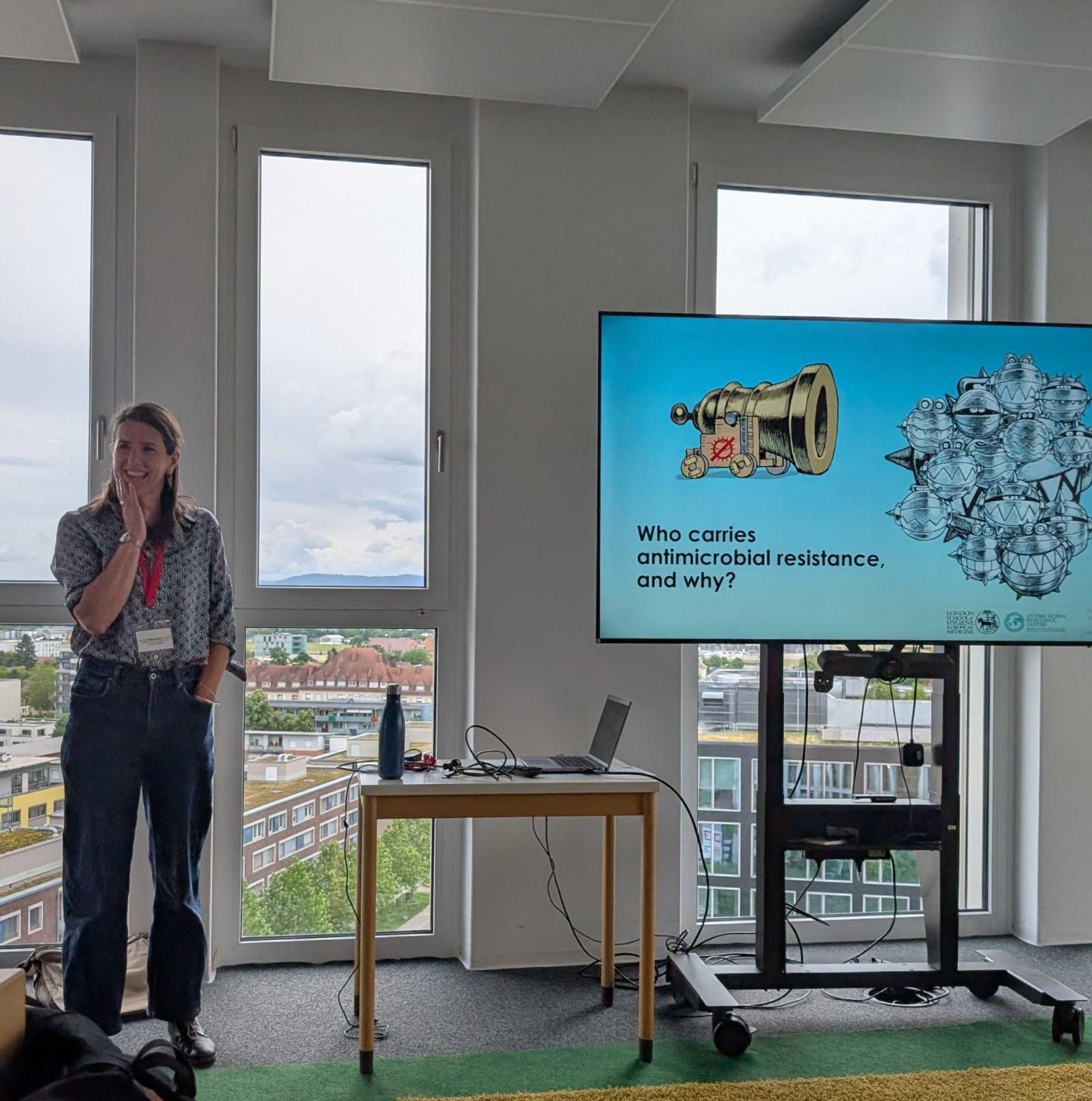
Gwen Knight (London School of Hygiene and Tropical Medicine): Who carries antimicrobial resistance, and why?
In understanding the spread of any infectious disease, we usually start by asking who gets infected. Yet in antimicrobial resistance (AMR), we have focused overwhelmingly on the pathogen, and the patients themselves have often been lost, including within modelling. I will share my research showing that the patterns that emerge when we consider AMR by age and gender do not match what current theory predicts. Resistance does not always accumulate where antibiotic use is highest, or in the people who take the most antibiotics, with real implications for an ageing society and for global health. Presenting new mathematical modelling, I will explore the mechanisms behind these dynamics and discuss their implications for AMR control.11:30 – 12:10 | Session 1: Modelling biological mechanisms. Chair: Gwen Knight (London School of Hygiene and Tropical Medicine).
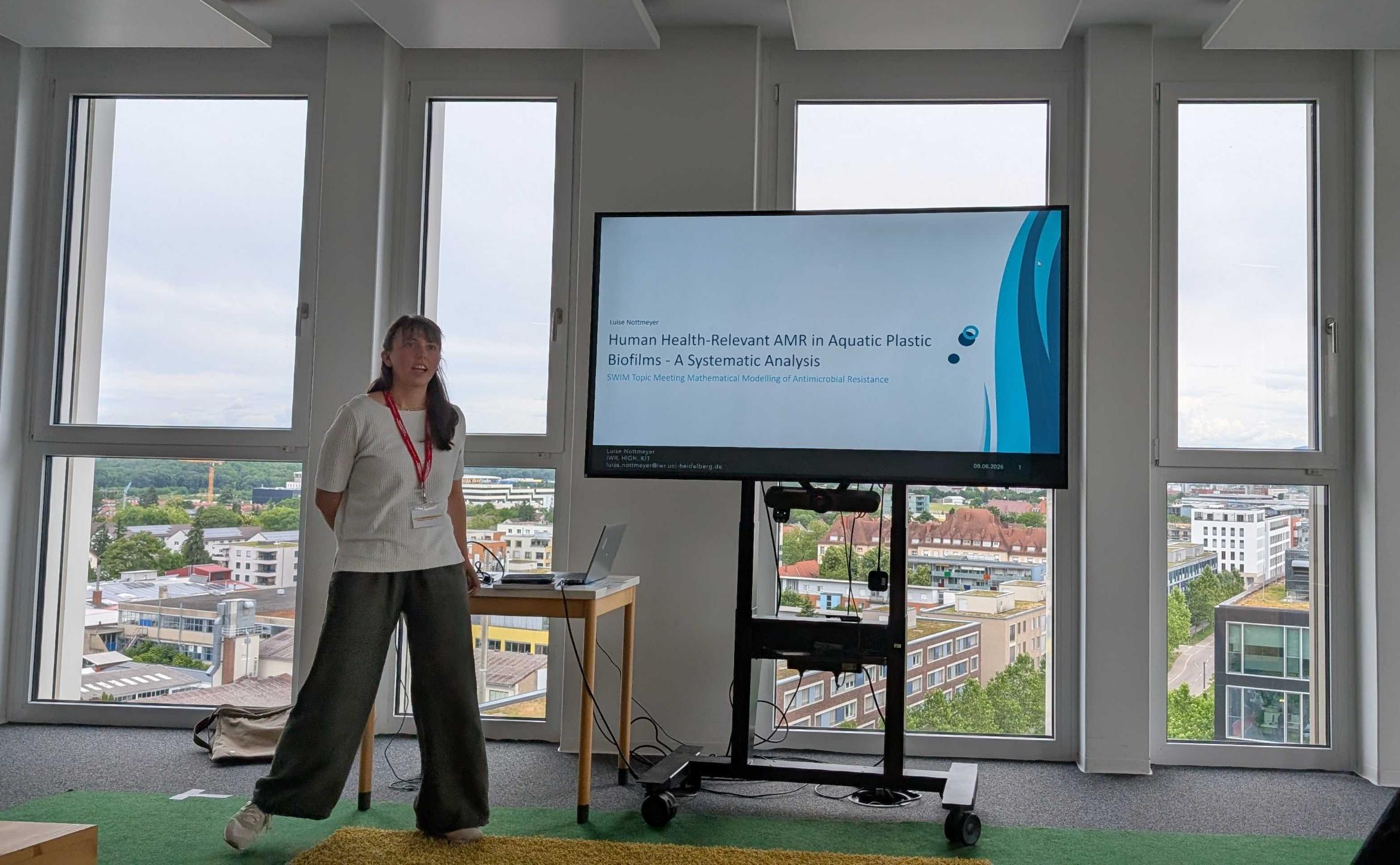
Luise Nottmeyer (Heidelberg University): Human health-relevant antimicrobial resistance in aquatic plastic biofilms - a systematic analysis.
Plastic pollution is an expanding and persistent component of the global environment. Simultaneously, antibiotic and fecal pollution of aquatic systems creates conditions that promote the emergence and persistence of antimicrobial-resistant (AMR) pathogens in environmental reservoirs. Increasing evidence suggests that plastic-associated biofilms may act as hotspots for microbial colonization, horizontal gene transfer, and the accumulation of antimicrobial resistance genes (ARGs). However, evidence remains fragmented across methodologies, substrates, and reporting approaches.
We systematically reviewed peer-reviewed studies published over the last decade reporting ARGs and medically important AMR profiles on plastic and non-plastic substrates in natural aquatic environments. Screening and study selection were conducted using the ASReview tool. Detection patterns of medically important resistance profiles were assessed using descriptive statistics, correlation analyses, beta regression models, and temporal analysis.
A total of 56 studies comprising approximately 770 samples were included. Most studies were conducted in Asia and Europe between 2018 and 2024. At the current evidence base, no differences in AMR risk profiles were detected among substrate types, environmental contexts, or modeled plastic pollution gradients. Nevertheless, high levels of medically important resistance profiles were consistently detected across years and geographic regions. This study is, to our knowledge, the first to integrate evidence from both PCR- and metagenomics-based studies while explicitly evaluating the medical importance of detected resistance profiles.
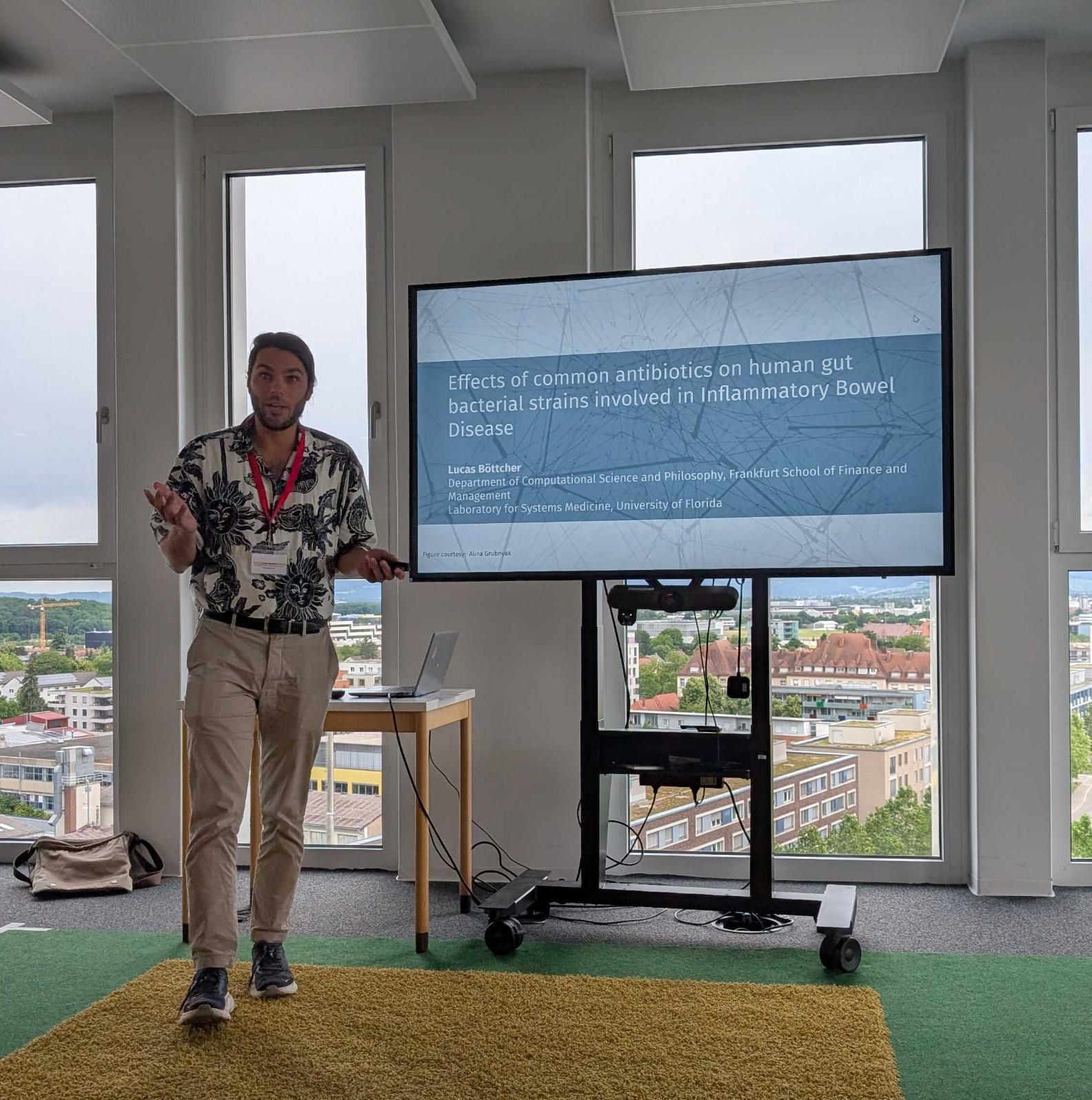
Interpretation of the findings is constrained by substantial methodological heterogeneity among studies, including differences in sampling strategies, sequencing and bioinformatic pipelines, numbers of ARGs screened per resistance class, and reporting practices. Limited variability in outcome measures further constrained statistical modeling. Future research should prioritize harmonized bioinformatic re-analysis of existing sequencing datasets, standardized metadata reporting, and the inclusion of plastic biofilms within environmental micro-ontologies to enable more robust quantitative comparisons and improved assessment of AMR risks associated with this emerging environmental niche.Lucas Böttcher (Frankfurt School of Finance and Management): Effects of common antibiotics on human gut bacterial strains involved in Inflammatory Bowel Disease.
Inflammatory Bowel Disease (IBD), a group of multifactorial diseases marked by chronic inflammation of the gastrointestinal tract, is characterized by an altered gut microbial community composition that is enriched in opportunistic and pathogenic species, such as Bacteroides fragilis and adherent-invasive Escherichia coli strains. To better understand the consequences of using antibiotics to suppress these harmful species, we quantified the response of three bacterial species representative of a healthy gut microbiome, as well as two species typically enriched in IBD to five selected antibiotics that are widely employed against anaerobes. We found that the adherent-invasive Escherichia coli LF82 strain and the opportunistic Bacteroides species B. fragilis and B. thetaiotaomicron are resistant to even high doses of several of the tested antibiotics whereas the probiotic butyrate producer Roseburia intestinalis and the acetogen Blautia hydrogenotrophica are sensitive to the majority of the tested antibiotics at low concentrations. We performed a Bayesian parameter estimation of a parsimonious mechanistic growth model. The effects of the antibiotics on lag phase, growth rate, and death rate varied across compounds in a manner consistent with their modes of action. For example, metronidazole, which inhibits DNA synthesis, reduced the growth rate, whereas meropenem, which inhibits cell wall synthesis, increased the death rate in several cases. In contrast, eravacycline, piperacillin-tazobactam and rifampin exhibited variable and species-dependent effects on the growth dynamics. Conclusion Given the observed resistances, we conclude that these common antibiotics are not suitable options for targeted interventions in IBD. Our findings highlight a fundamental limitation of broad-spectrum antibiotics for microbiome modulation and motivate the need for targeted strategies to reshape dysbiotic microbial communities.12:10 – 13:10 | Lunch.
13:10 – 14:20 | Session 2: Surveillance and population-level modelling. Chair: Daniel Goseberg (Freiburg University Medical Center).
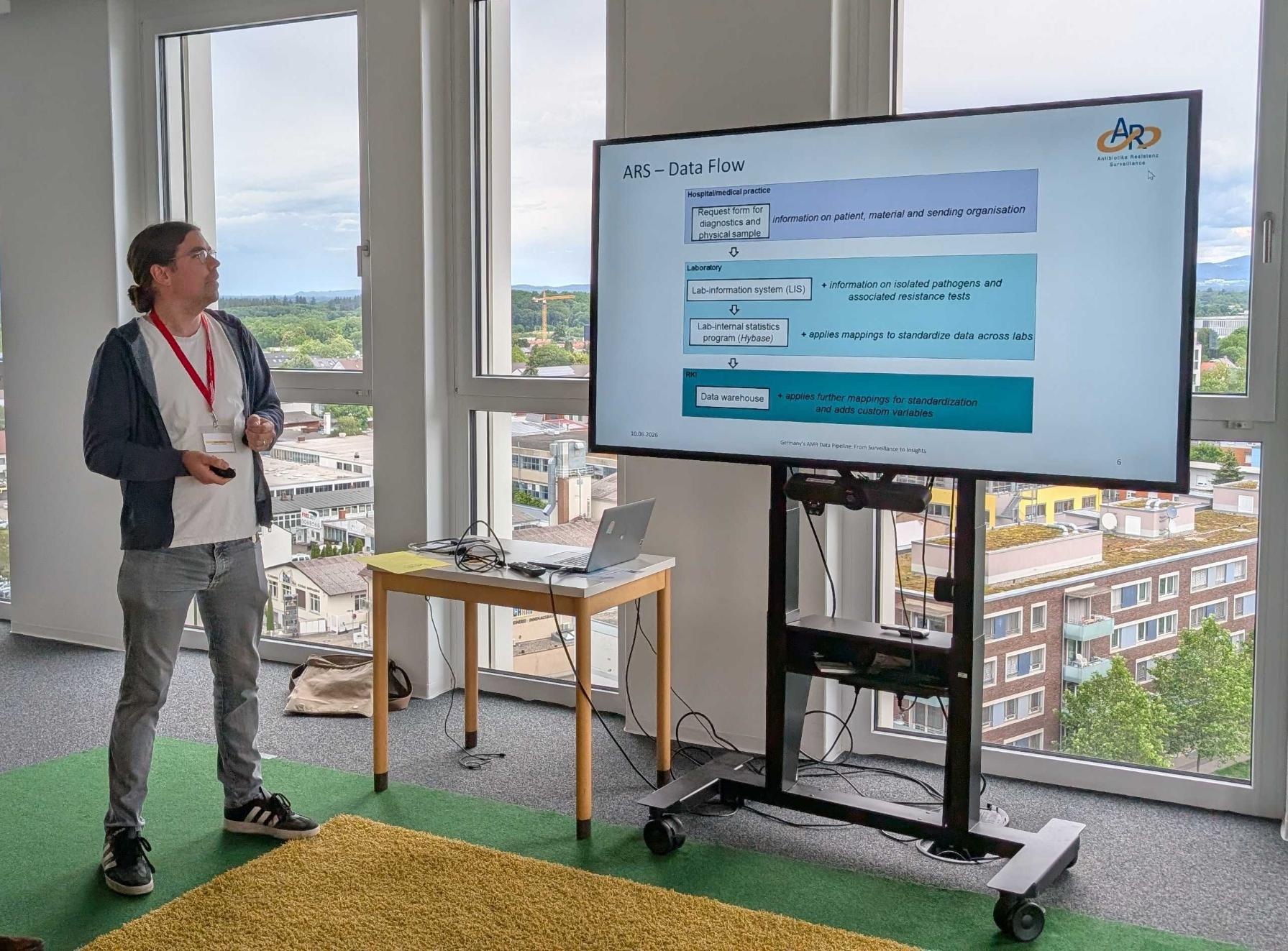
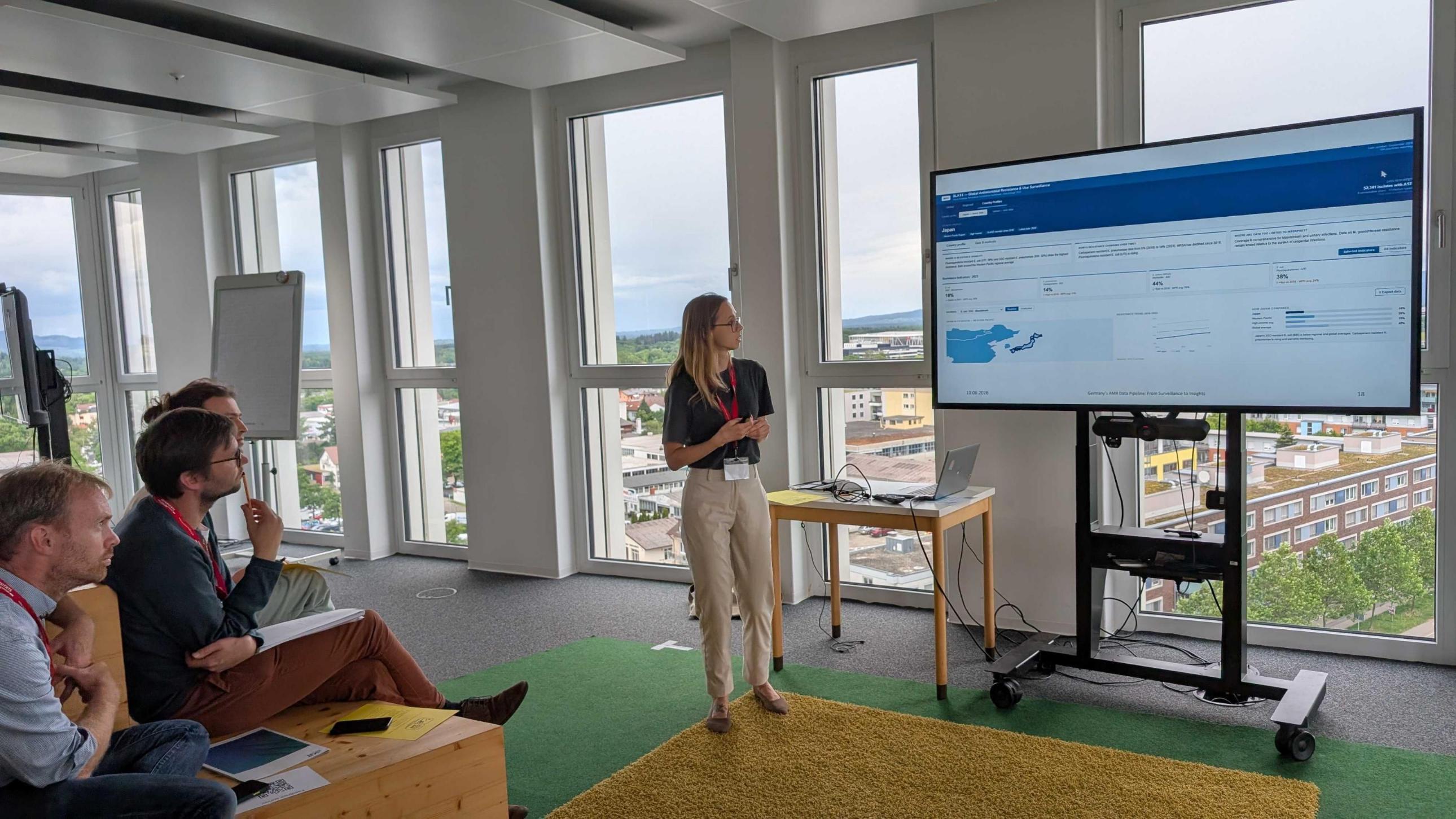
Niklas Willrich and Sara Tomczyk (Robert Koch Institute): Germany’s AMR data pipeline: from surveillance to insights. (website).
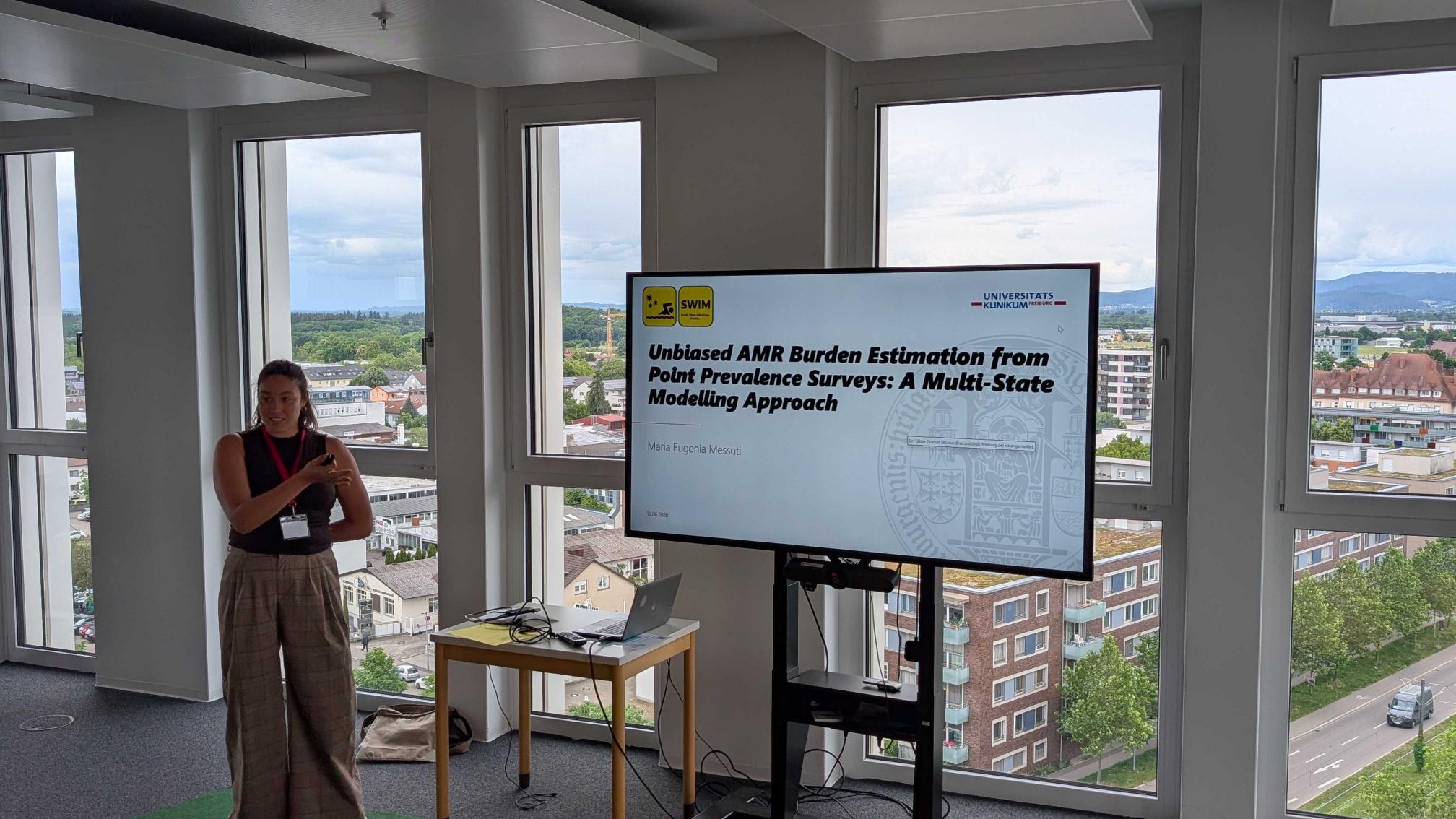
The first part of the talk will give an overview of the national AMR surveillance systems based at RKI and previous modelling efforts at RKI which were mostly focused on burden of disease modelling based disease models generating estimates for DALYs (see paper). The second part will summarize the international activities for supporting AMR surveillance.Maria Eugenia Messuti (Freiburg University Medical Center): Unbiased AMR burden estimation from point prevalence surveys: a multi-state modelling approach.
Hospital-acquired infections (HAIs) caused by antimicrobial-resistant (AMR) pathogens represent a growing public health threat, yet robust statistical methods for estimating their differential burden from routine surveillance data remain underdeveloped. Extended Point Prevalence Surveys (PPS), such as those conducted under the Centers for Disease Control and Prevention (CDC protocol), are widely used due to their feasibility and low cost, but introduce complex methodological challenges that prevent direct application of standard survival methods: immortal time bias, competing risks, interval-censored infection times, and length-sampling bias.We present a novel multi-state framework that addresses all four challenges simultaneously. The framework applies a three-state illness-death model separately to patients with resistant HAIs and patients with sensitive HAIs, and the two fitted models are then compared ad hoc to characterize the differential burden of resistant versus sensitive infections. Each model accounts for immortal time bias and competing risks through the multi-state structure, handles interval-censored infection times by treating PPS data as panel data within a time-homogeneous Markov model, and corrects for length-sampling bias via Inverse Probability Weighting.
To evaluate the method, 100 CDC-protocol PPS instances were mimicked from a simulated longitudinal dataset, and performance was assessed via Cumulative Hazard Functions, Stacked Probability Plots, and covariate Hazard Ratios, compared against a full cohort analysis as the unbiased reference. To our knowledge, this is the first integrated framework capable of recovering bias-corrected estimates of the differential burden of resistant and sensitive HAIs from routine prevalence surveys, without the resource demands of longitudinal cohort studies.
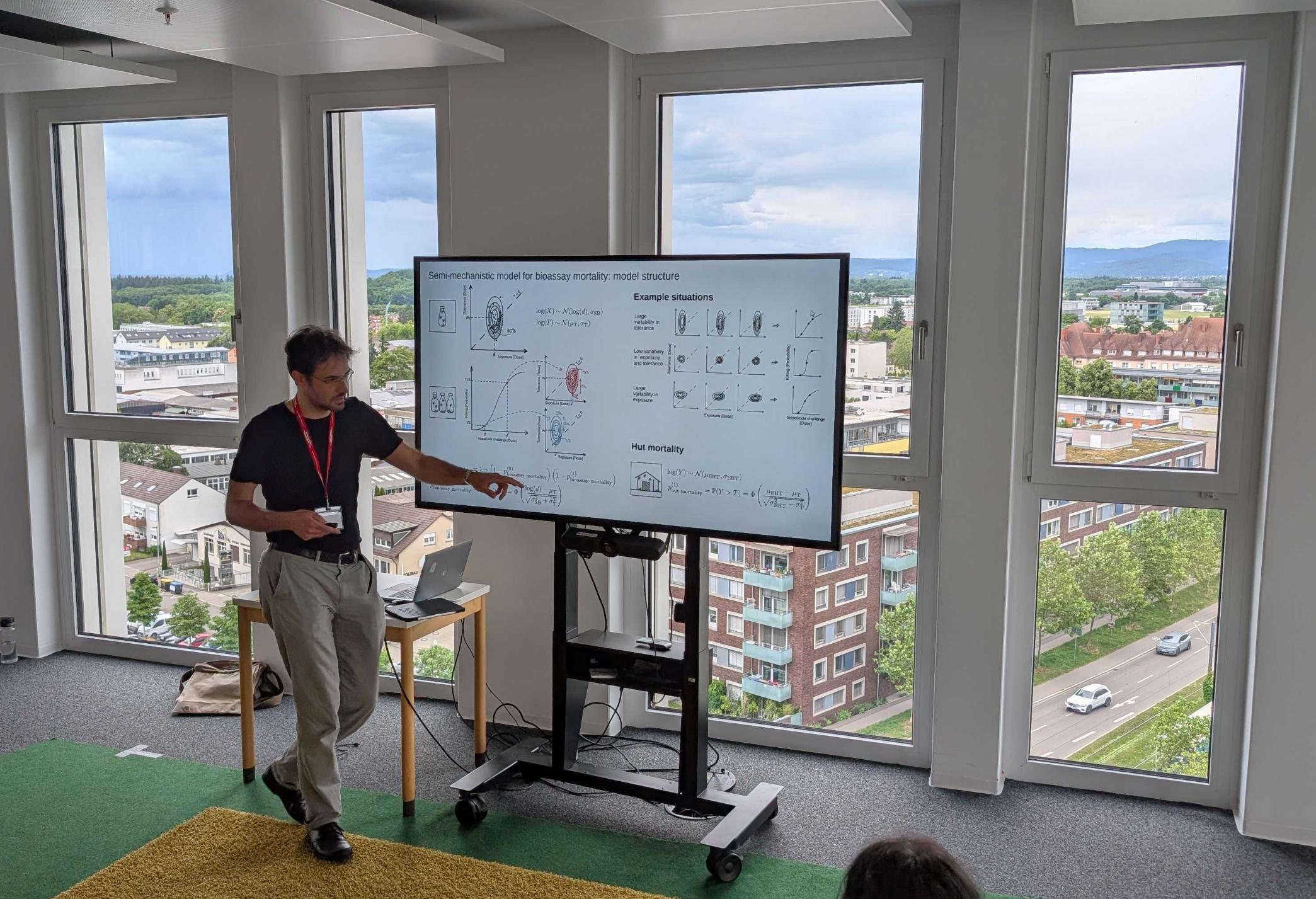
Adrian Denz (Swiss Tropical and Pulic Health Institute): Inferring a novel insecticide resistance metric and exposure variability in mosquito bioassays across Africa.
Quantifying how insecticide resistance in African malaria mosquitoes affects the performance of insecticide-treated nets in preventing transmission is a major public health challenge. We present a predictive, semi-mechanistic model that links resistance surveillance data to net effectiveness. Unlike previous approaches, the model explicitly captures heterogeneity in resistance within mosquito populations and variability in exposure in bioassays. We apply the model to a large dataset of bioassays across Africa, together with new multi-dose data from Burkina Faso, using Bayesian inference. This approach reveals substantial spatial variation in resistance heterogeneity that is not captured by standard metrics and can be integrated into malaria transmission models to better quantify the public health impact of resistance detected through surveillance programmes. I will introduce our semi-mechanistic model, which may be applied to other systems involving heterogeneous responses to chemical exposure, using basic mathematical notation and illustrative figures.14:20 – 15:30 | Group photo / coffee break.
15:30 – 16:20 | Keynote 2
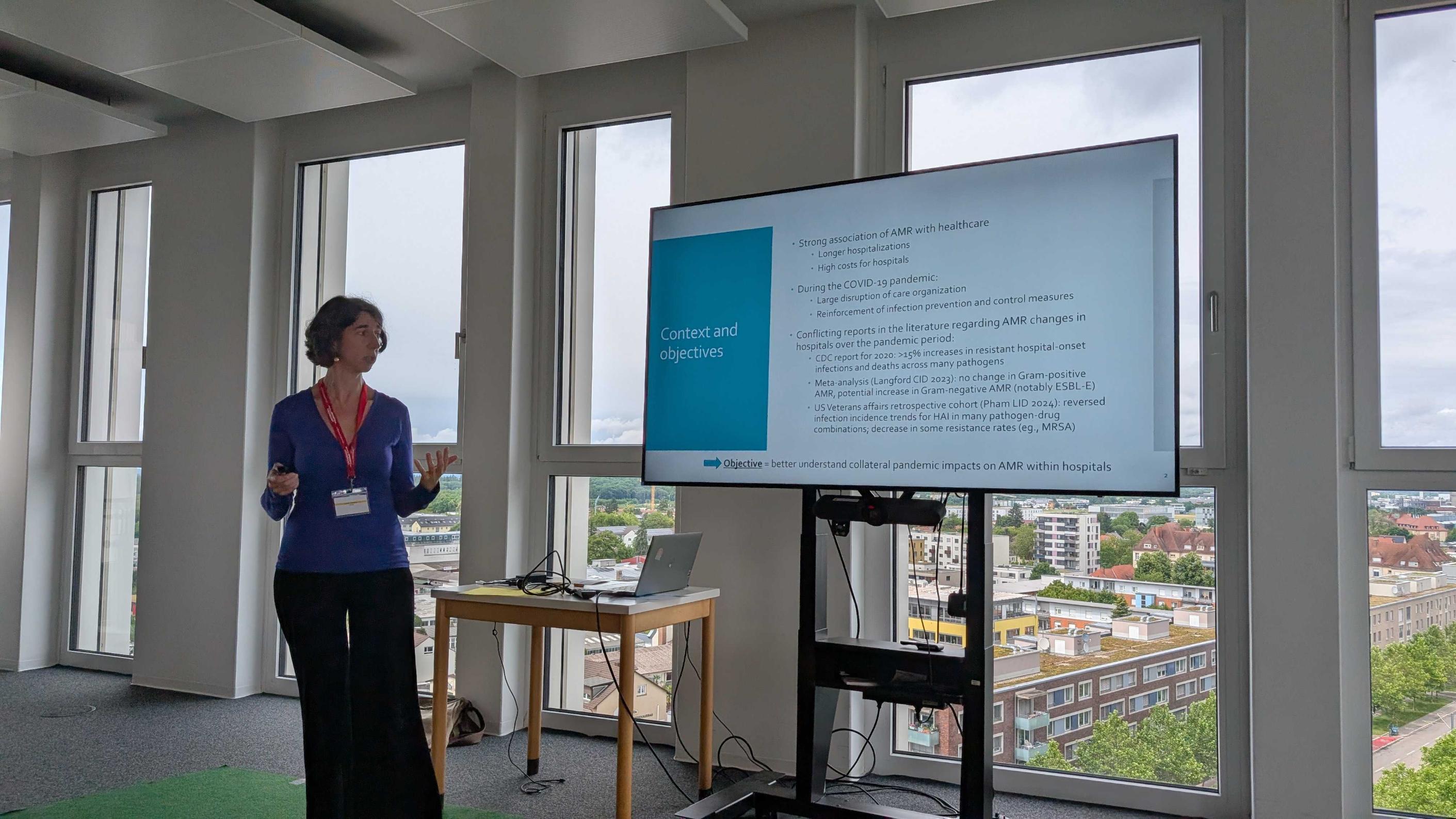
Laura Temime (CNAM, Paris): How did the COVID-19 pandemic impact AMR in hospitals?
The COVID-19 pandemic impacted healthcare delivery in ways both deliberate and unavoidable, notably through tightened infection control measures, care reorganisation, changed antibiotic use, or high careload in ICUs. But what did all of this mean for antimicrobial resistance (AMR)? Drawing on three complementary approaches (theoretical mathematical modelling, a national-scale statistical analysis of French hospital surveillance data, and mechanistic modelling of longitudinal data from a specific ICU), I will explore the pandemic’s effects on AMR. Together, these studies highlight how a viral pandemic can reshape the ecology of bacterial resistance in ways that are not easily anticipated, and that understanding these dynamics requires integrating multiple levels of evidence.16:20 – 16:30 | Wrap-up.
Registration
You can express your interest in participation and submit an abstract via two separate forms available here. Update: Submissions of talks is now closed and the programme is complete, but you can still express your interest in participation until 3 June 2026.
Participation includes a vegetarian lunch and is free of charge The event is open to researchers at all career stages. If the number of interested persons approaches our capacity we may prioritize researchers who are already active in AMR modelling. Please note that we cannot provide any financial support for travelling or accommodation.
Organizers
The workshop is organized by Tjibbe Donker (University Medical Center Freiburg) and Johannes Bracher (Karlsruhe Institute of Technology), supported by Marie-Rachel Garal (University Medical Center Freiburg).
If you have any questions please contact us at contact@swim-workshop.de.
Feedback form
You can use this form to give feedback on the event.
Thanks for joining!
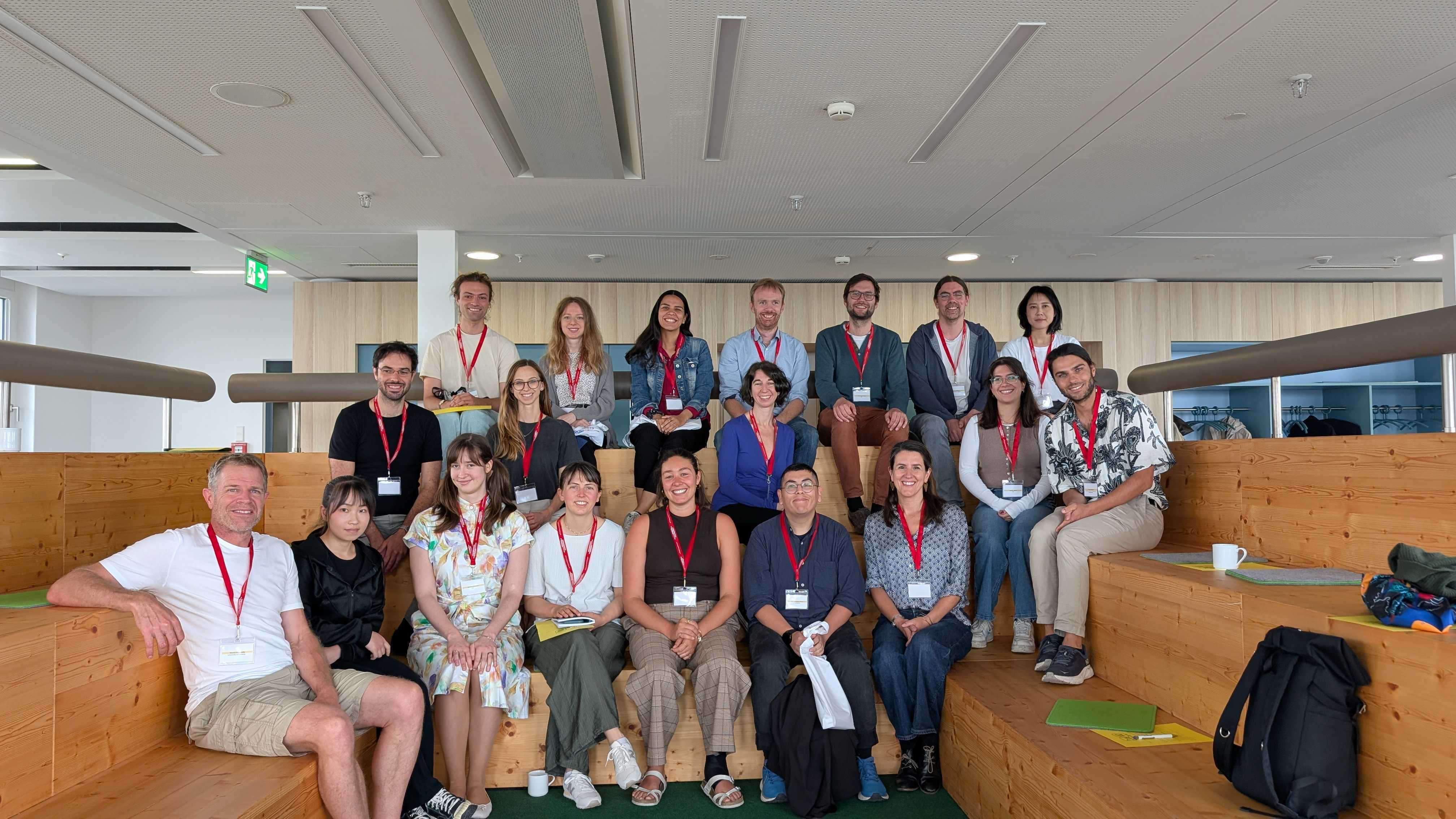
Thank you to everybody who joined the workshop!
Sponsors
We are thankful for support by our sponsors: